GAPS for Beginners Series: Supplements on GAPS

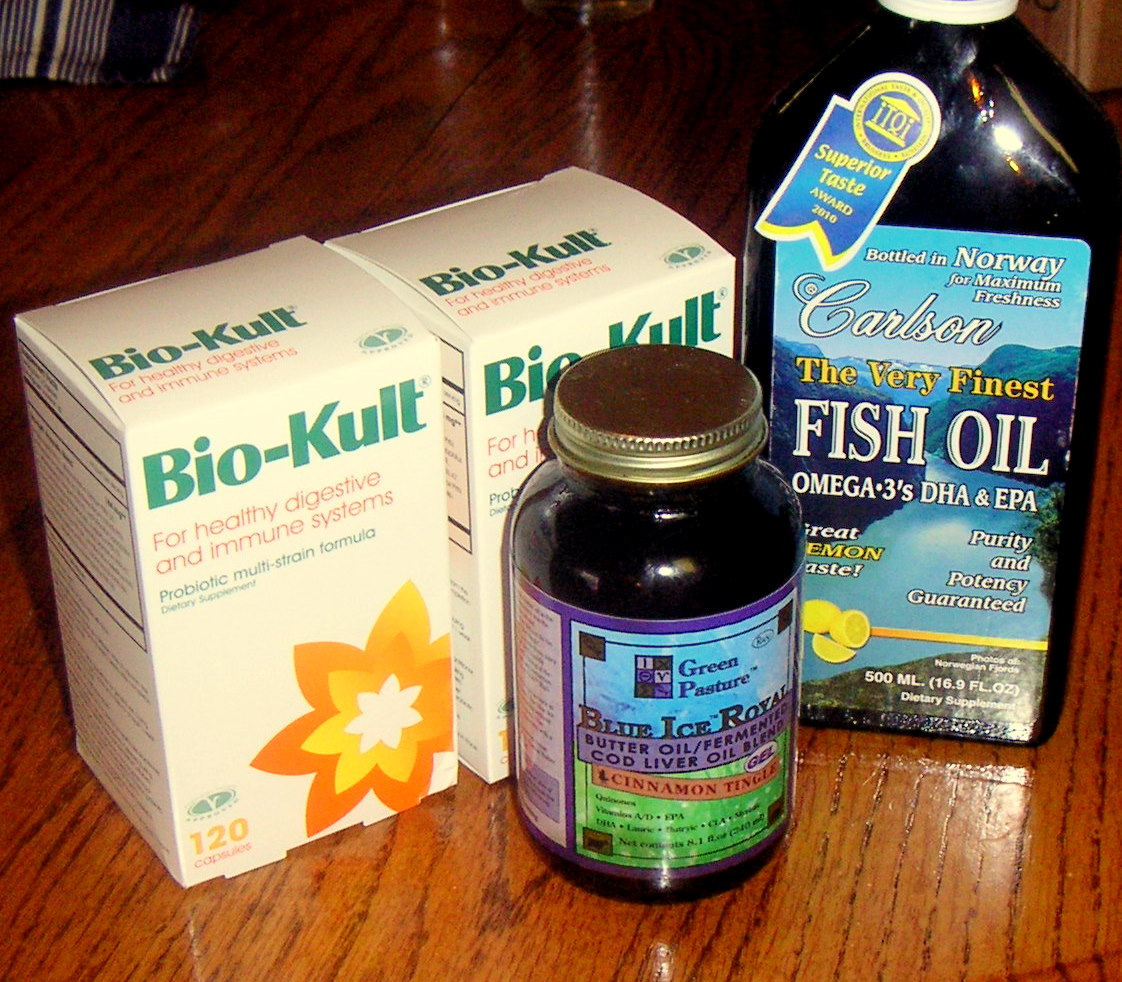
While the GAPS protocol mainly focuses on healing the body through food, Dr. Natasha Campbell-McBride (or NCM, as I like to call her) does recommend a few supplements for GAPS people. If you’re considering GAPS, it’s worth taking a look at these supplements and pondering whether you would like to include them in your own healing program.

Commercial Probiotics

NCM recommends that all GAPS people take a commercial, therapeutic strength probiotic during their time on the GAPS diet. High-quality commercial probiotics contain a great variety of beneficial strains that will attack your bad bacteria and help reestablish healthy gut bacteria.…
Decluttering? Try Freecycle

A few weeks ago I read a great post about decluttering. Inspired, I immediately set about collecting and getting rid of several bags worth of unnecessary stuff. Although a few items just went straight into the trash, most things I wanted to pass along because they still had plenty of life left in them. In addition to donating items to thrift stores and the library, I also gave away several things through Freecycle. If you’re unfamiliar with Freecycle, today I want to share a bit about how it works and what I use it for.

Freecycle is a nonprofit organization that facilitates the free exchange of possessions.…

GAPS for Beginners Series: Fats on GAPS

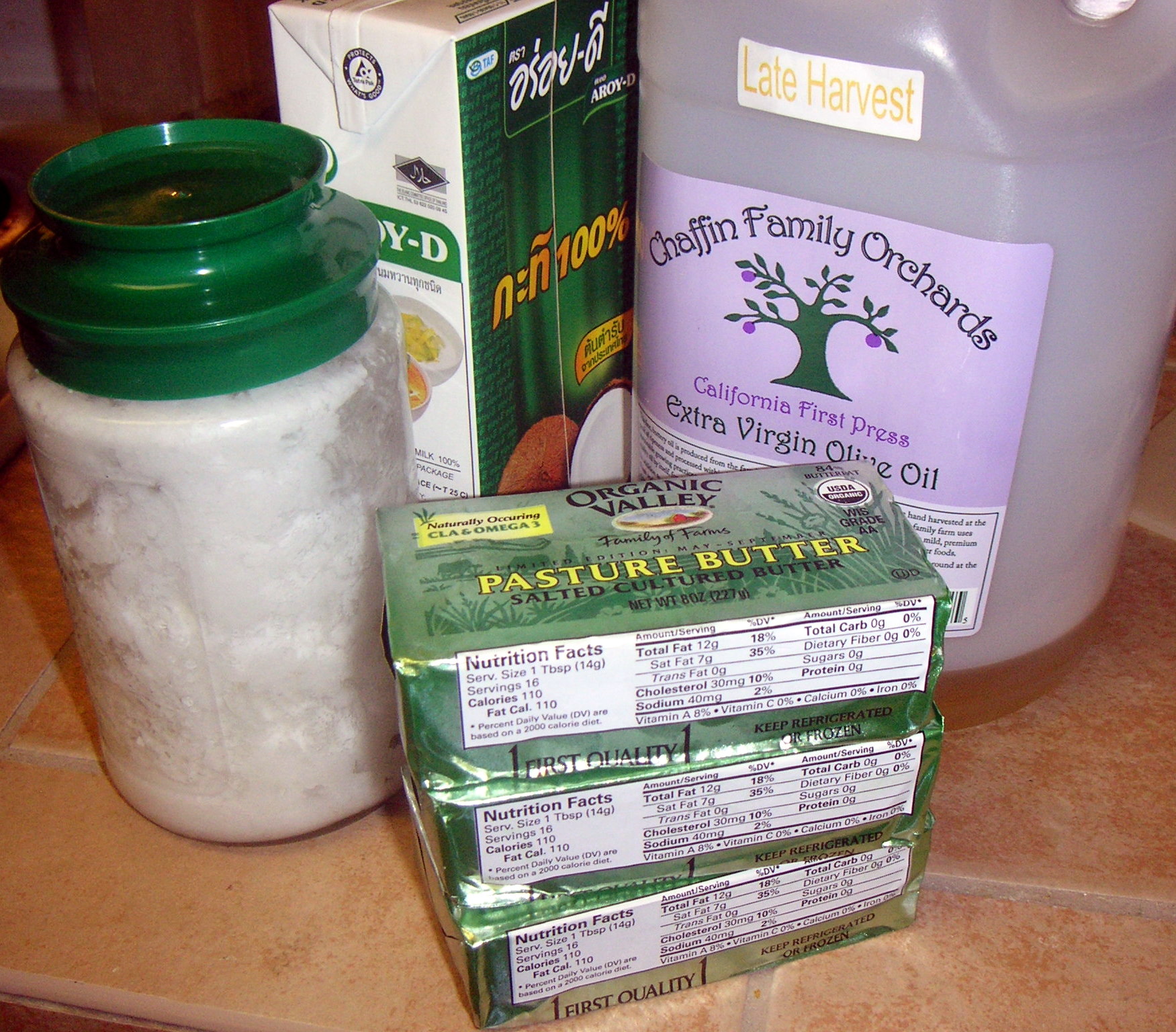
Like broth and fermented vegetables, healthy fats are another important component of the GAPS diet. Fats are integral to many bodily functions and are absolutely essential for healing your gut and the rest of your body. If you’re considering GAPS, you will need to focus on eating as much healthy fat as you can. Depending on what your diet was like pre-GAPS, this may mean you need to dramatically increase your fat consumption.

Even if you don’t think you need GAPS, taking a look at your fat consumption is still worthwhile. Everyone needs to eat plenty of healthy fats for optimum health.…

GAPS for Beginners Series: Fermented Vegetables

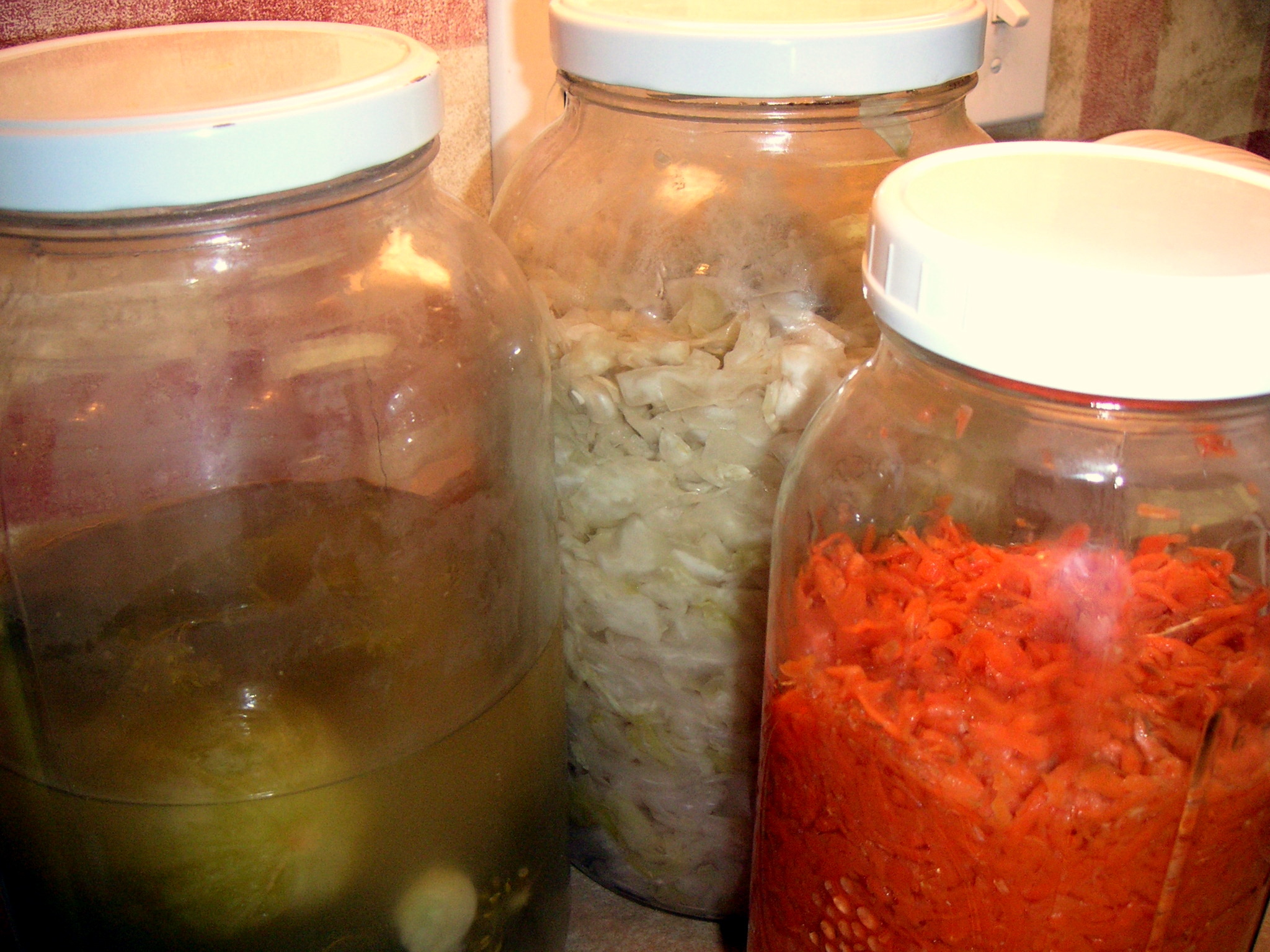
Like bone broth, fermented vegetables are an essential part of the GAPS program. The process of fermenting vegetables enhances many nutrients, makes vegetables more digestible and creates an abundance of probiotics. Fermented vegetables are tangy, sour and, in my opinion, entirely delicious.

If you’re contemplating GAPS, you should aim to eat fermented vegetables with every meal. Eating ferments with your meals assists your digestion and gives your body probiotics to help rebalance your damaged gut flora.

If you don’t think you need GAPS, I would still urge you to incorporate fermented vegetables into your meals. Eating ferments is a traditional practice and offers benefits for everyone’s health.…

GAPS for Beginners Series: Bone Broth

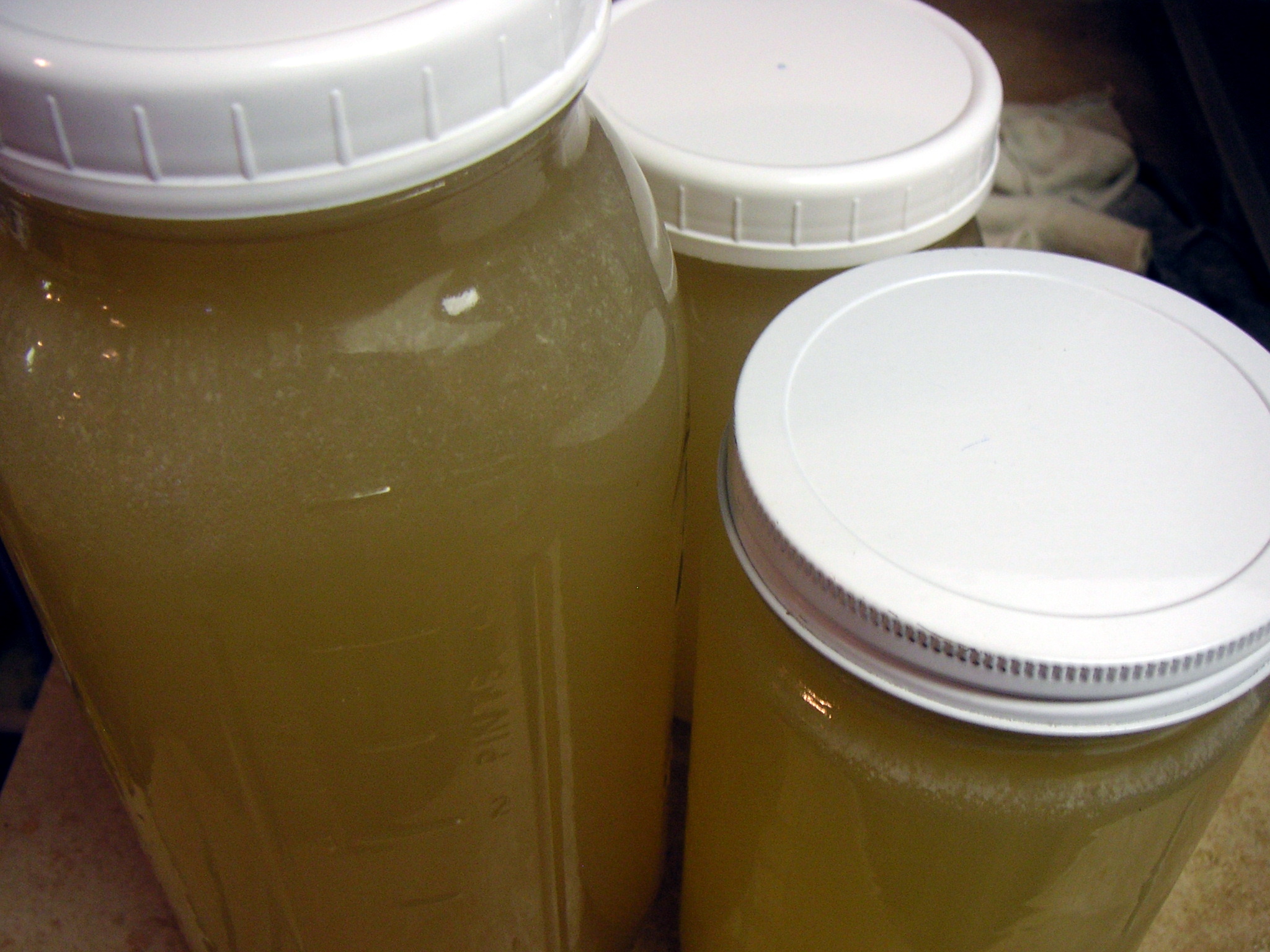
Bone broth is an integral part of the GAPS program. In addition to providing valuable, easily digestible nutrients, broth soothes and heals the gut lining. People on GAPS should consume broth every day. I like to eat my broth in soups, but you can also use it to cook meats or vegetables, make sauces, or even just drink it on its own with a meal.

If you’re contemplating GAPS, I recommend incorporating broth into your kitchen routine as early as you are able. Even if you already make broth now, you’ll probably need to increase the frequency in order to have enough for GAPS.…